Takeaways
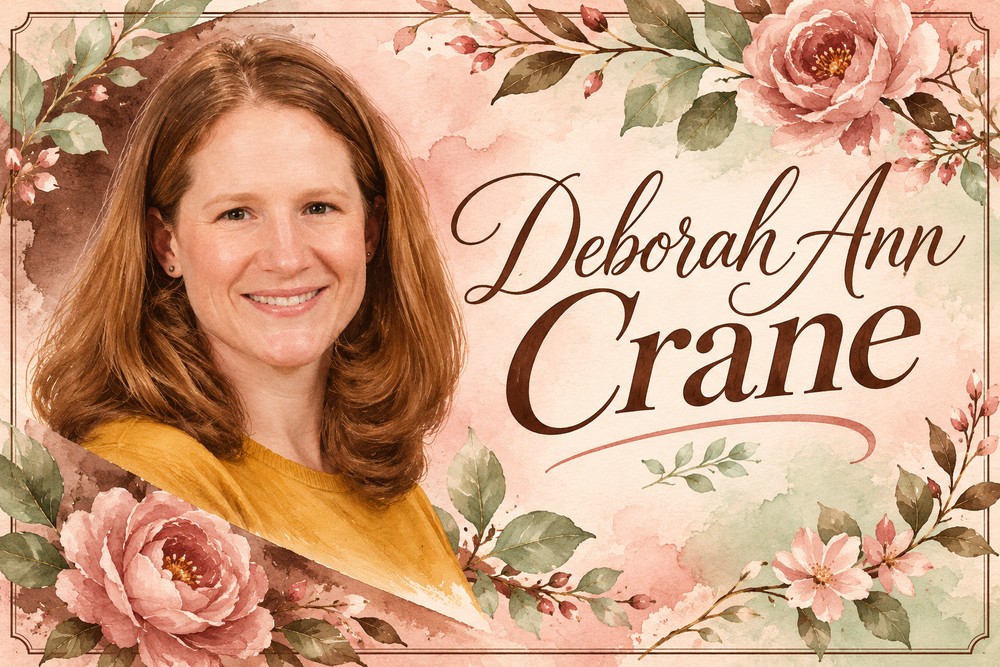
Deborah Ann Crane is known publicly through her father, actor and radio personality Bob Crane, whose 1978 murder became a notorious unsolved case. That connection has led many online biographies to repeat details about her family, while the public record about Deborah’s own adult life remains sparse. A careful account should keep those subjects separate: the historical record documents her father’s work and the criminal investigation, but it does not justify speculation about her private life.
A family linked to television history
Bob Crane became widely recognized for playing Colonel Hogan on Hogan’s Heroes, a sitcom that ran from 1965 to 1971. The series gave him a durable place in American television history. Public accounts identify Deborah as one of his children from his first marriage to Anne Terzian. Beyond basic family context, reliable reporting does not provide a comprehensive picture of Deborah’s life, and that should be acknowledged directly.
The case and the trial
Crane was found dead in his Scottsdale apartment on June 29, 1978. The case drew renewed attention years later, when his friend John Henry Carpenter was prosecuted. A contemporaneous UPI report records that a jury acquitted Carpenter in October 1994. That verdict is a crucial fact: Carpenter was not convicted. Recounting the investigation responsibly means distinguishing prosecutors’ theories from what the jury decided.
Unresolved questions should stay unresolved
True-crime coverage often encourages certainty where evidence is incomplete. In Crane’s case, the trial did not produce a conviction, and later commentary has continued to debate evidence and suspects. That ongoing interest should not be turned into an accusation against an individual. A responsible biography states the procedural outcome and notes that the case has remained unresolved in public accounts, without presenting theories as fact.
A relative is not a character in the case
Deborah’s connection to a widely covered crime can draw attention toward her, even though she was not a public figure because of her own work. There is little reliable information about her profession, relationships or later life. Claims about those matters should not be repeated simply because they appear in search results. Families affected by violent events are entitled to boundaries, especially when they have not sought public attention.
The difference between fact and inheritance
The verified historical narrative—Crane’s television career, his death, the investigation and Carpenter’s acquittal—belongs to the public record. Deborah’s own story is much less documented. A profile can explain why the name appears in searches without suggesting that the murder case defines her identity. This distinction prevents a daughter from being reduced to a footnote in a crime story.
A measured conclusion
The available evidence supports describing Deborah Ann Crane as Bob Crane’s daughter and noting the public history that made the family name widely searchable. It does not support a detailed biography of her private life. The best account is therefore factual and restrained: it honors what records establish, does not make new allegations, and recognizes that not every relative of a famous person is a public subject.
The case as a public historical record
Bob Crane’s murder remains part of television history and true-crime coverage, but the chronology should be anchored in documented events. His death in 1978, the later prosecution and Carpenter’s acquittal are distinct points. The acquittal does not establish an alternative suspect, nor does it prove a theory circulated in later accounts. Keeping those distinctions visible helps readers understand both why the case remains discussed and why certainty is still unavailable.
For readers who want the original profile, see Deborah Ann Crane and the Public Record Left by a Family Tragedy. An independent reference is Los Angeles Times contemporaneous report on the 1994 acquittal.