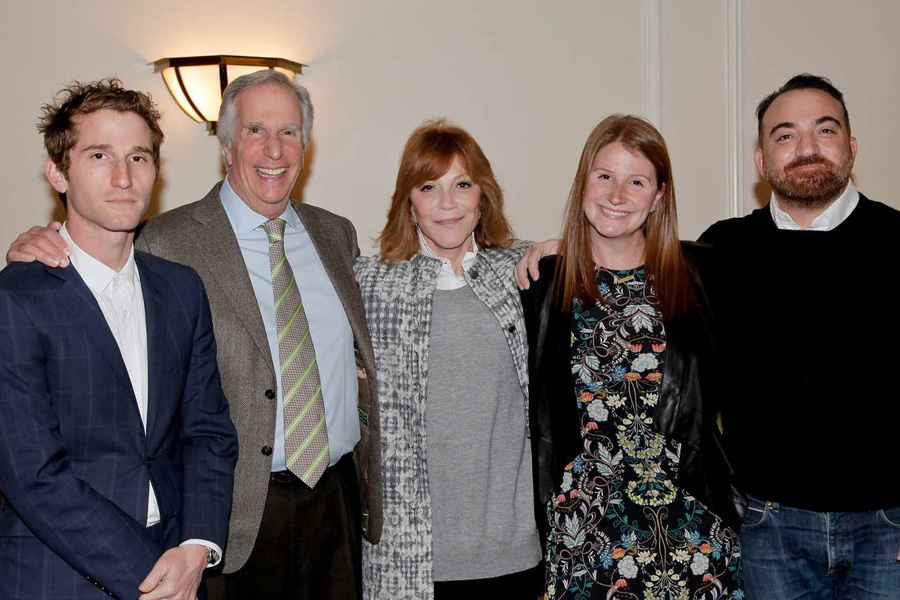
The strategist behind the curtain
I have come to think of Jed Weitzman as the kind of executive who works where instinct meets mathematics. In live music, that border is where the real drama lives. A tour is not just a string of shows. It is a moving market, a weather system of fan demand, artist identity, venue capacity, and pricing pressure. Jed Weitzman built a career inside that weather, learning how to read the sky before the storm arrives.
What makes him interesting is not only the title or the company affiliation. It is the shape of the path. He did not appear out of nowhere as a spreadsheet wizard dropped into the concert business. He moved through entertainment from different angles, including television, talent management, and development, and only later settled into music and ticketing strategy. That broader background matters. It gives him a view of the business that is part creative, part operational, and part audience psychology. He is not just counting seats. He is studying behavior.
That is the key to understanding Jed Weitzman. He seems to operate like a translator. Artists speak in vision. Promoters speak in risk. Fans speak in desire. Platforms speak in data. His job sits in the middle, converting all four languages into a plan that can actually survive contact with the real world.
From entertainment corridors to revenue logic
A lot of people talk about live entertainment as though it were pure magic. It is not. It is choreography with invoices attached. Jed Weitzman’s work points to the less romantic truth that every successful show depends on thousands of tiny decisions made before the first light cue. Where should a ticket start? When should inventory move? Which market is strong enough to hold price, and which one needs a softer touch? What can be learned from early sales without overreacting to noise?
Those questions make his field feel like a chessboard that keeps expanding. One move affects the next six. A price change can alter demand. A holdback can create scarcity. A sellout can create a story. A story can create another sellout. The loop is elegant, but it can also be ruthless.
What I find compelling is that Jed Weitzman appears to treat the system with discipline rather than spectacle. The goal is not to squeeze every possible dollar from every fan at any cost. The smarter frame is sustainability. If a tour burns goodwill, the damage lingers. If a pricing strategy respects the market, the relationship can last. That balance is where he seems to focus his attention.
In that sense, his role is less like a salesman and more like an air traffic controller. Planes are not simply being sold. They are being guided through conditions that change every minute. The runway has limits. The weather changes. The tower has to keep everything in motion without creating a collision.
The Logitix chapter and the shifting platform landscape
Jed Weitzman’s move into a leadership role at Logitix marked a clear step deeper into the machinery of live event pricing. But the surrounding company landscape has also shifted, which makes this chapter more interesting than a standard job title suggests. The Logitix name now sits inside a larger operational picture tied to Victory Live, a signal that the industry itself is consolidating, merging tools, and broadening its reach across ticketing and analytics.
That kind of change matters because it reflects the direction of the business. Live events are no longer managed only through intuition and local relationships. They are increasingly shaped by platform logic, integrated data, and the ability to unify information across multiple parts of the ticketing ecosystem. In that world, someone like Jed Weitzman is valuable not just because he understands music, but because he understands how pricing and distribution behave when the system gets more complex.
I see that complexity as the new theater of the job. The stage is not the arena floor. It is the dashboard. The show is not only what happens on stage. It is how quickly a market moves before the doors open. The tension is invisible to most fans, but it is very real to the teams trying to make each date work.
A family story with public gravity
Jed Weitzman’s family background gives his story another layer. His father, Howard Weitzman, was a major figure in entertainment law, and that legacy alone could have cast a long shadow over any child. Add in a blended Hollywood family, with Henry Winkler as stepfather and siblings who have their own public profiles, and the result is a household that has often lived near the spotlight without being fully consumed by it.
I think that dynamic helps explain something about Jed Weitzman’s professional tone. People from high-visibility families often learn to move between public identity and private work. Some lean into celebrity. Others build competence in quieter rooms. His path suggests the second instinct. There is a steadiness to that choice. It feels less like chasing attention and more like developing leverage.
The family dimension is also more alive than a static biography can show. Newer coverage of the Winkler family has added fresh moments, including podcast activity from Zoe Winkler Reinis and public appearances that keep the family narrative current. These are not just trivia points. They show a family that continues to evolve in public, each member writing a separate branch of the same story.
Why his voice matters in the live music debate
One reason Jed Weitzman stands out is that he is part of a small but influential group of people who are willing to talk openly about the mechanics of ticketing. That matters because ticketing is one of the most misunderstood parts of the live business. Fans often see only the final price. Industry insiders see a moving target shaped by inventory management, demand forecasting, channel strategy, and market-specific behavior.
When I listen to someone like Jed Weitzman describe the work, I hear an attempt to make the invisible visible. He helps explain why a price is not simply a price. It is a signal. It can indicate scarcity, confidence, risk, or a lack of certainty. It can protect value or create backlash. It can support an artist’s long-term brand or damage it in a single sale window. The task is not to make the system perfect. It is to make it legible enough to use responsibly.
That is where his perspective becomes useful beyond the industry itself. He embodies a modern truth: data alone does not solve taste, but taste without data often stumbles in the dark. The best operators live in between. They respect the numbers without worshiping them.
What his career suggests about the next phase of touring
If I step back, Jed Weitzman’s career looks like a preview of where live entertainment is heading. The old model was built on intuition, relationships, and a fair amount of guesswork. The new model adds layers of measurement, real-time adjustment, and platform-based decision making. The artist still matters most. The show still has to land emotionally. But behind the curtain, the operating logic is becoming more precise.
That does not mean the business is becoming cold. It means the stakes are clearer. Every ticket is a tiny negotiation between access and value. Every on-sale is a test of assumptions. Every market is a conversation with local demand. In that environment, people who can combine cultural fluency with analytic discipline become especially important.
Jed Weitzman seems built for that lane. He is part strategist, part interpreter, part traffic cop for a fast-moving marketplace. His career suggests that the future of touring will belong to people who can see both the fan and the forecast without mistaking one for the other.
FAQ
Who is Jed Weitzman?
Jed Weitzman is an entertainment executive focused on music, touring, and ticketing strategy. He is known for working at the intersection of artist management, pricing, and live event analytics.
What makes Jed Weitzman notable in the live music business?
He stands out for treating ticketing as a dynamic system rather than a static sale. His approach blends forecasting, market awareness, and strategic pricing with a broader understanding of how artists and fans connect.
What kind of work has Jed Weitzman done beyond ticketing?
His background includes entertainment work that touched television, talent management, and development before he became more focused on music and touring. That earlier experience helps explain his wide-angle view of the industry.
Why is his family background often mentioned?
Jed Weitzman comes from a well-known entertainment family. His father was attorney Howard Weitzman, his stepfather is Henry Winkler, and his siblings have also been part of public-facing creative and philanthropic life.
What is the significance of his role at Logitix?
His leadership role at Logitix placed him inside the data and pricing side of the live music business. That role is important because modern touring increasingly depends on analytics, distribution strategy, and careful inventory management.
How does Jed Weitzman’s approach differ from a traditional music executive?
He appears to think in systems. Rather than focusing only on promotion or only on numbers, he connects audience behavior, market signals, and revenue strategy into one operating model.
Why does his perspective matter now?
The live entertainment business is changing quickly. Pricing, platform consolidation, and fan expectations are all evolving at once. Jed Weitzman represents the kind of executive who can navigate that pressure without losing sight of the artist or the audience.