Early days and a sudden shadow
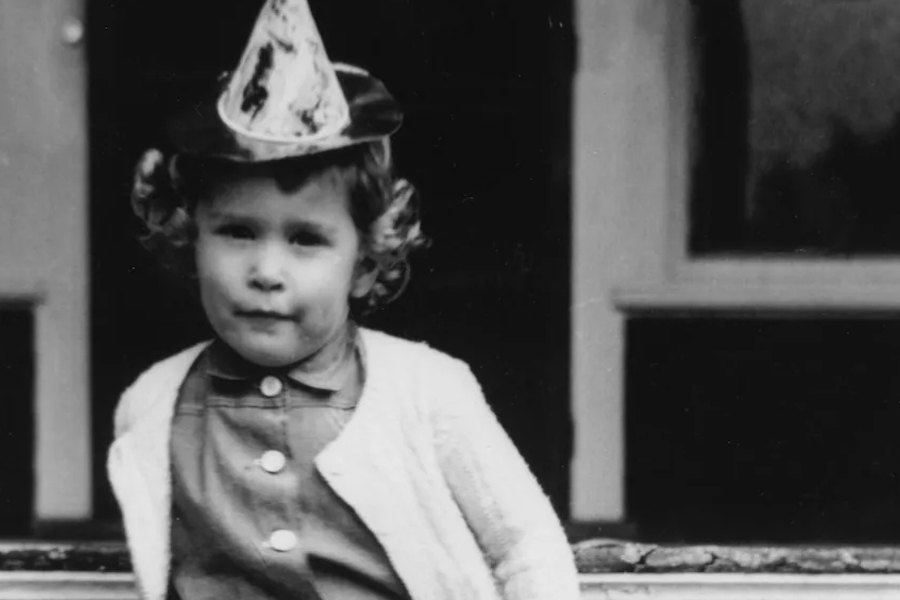
I remember the first time I read about that winter birthday and the toys left half played with. The details are small and sharp: a December morning, a name given to link one generation to the next, the ordinary buzz of a family moving through postwar America. Then, like a single stone dropped into a bowl, everything rings outward with new patterns. The stone in this story is illness. The ripples are all that followed.
When I think about a child taken so young I do not treat the facts as mere dates. I treat them like weather. They change the landscape. They teach a household how to bend around grief and still keep a rhythm of ordinary life. I want this piece to be less an echo of the familiar biography and more a look at the hands that carried the memory, the science that learned from the loss, and the ways families place small lives inside public stories.
Treatment in New York City
The hospital corridors of a great city have a particular hush. Machines hum softly. Nurses move with a practiced calm. Parents learn to measure hope against lab results. In the spring of 1953, when the diagnosis came, those corridors became an interior geography for a small family. They brought their child to specialists, to therapies that were new then and would evolve later.
There is a detail many short biographies skip: the use of clinical bodies to teach doctors and improve care. Families sometimes allowed researchers to study tissue in the hopes that future children might be spared the same cruelty. That choice turns private grief into public knowledge. When I trace that path, I think about how laboratories collect stories as much as samples. The work that began in those rooms helped shape a field that would, decades later, offer children far better odds.
Medicine moves like a river cutting a canyon. It is patient and relentless. A single loss can alter the riverbed: funding priorities shift, parents become advocates, hospitals design new protocols. That is the hard currency of legacy. I find it both consoling and strange that an event so intimate can steer systems meant for strangers.
George H. W. Bush and the architecture of memory
Public life makes privacy porous. When someone who later leads a nation has endured the private loss of a child, that loss folds into the public narrative. He spoke of the child across decades, in letters and speeches, in quiet reflections that seemed to anchor the family through upheaval and office.
I am interested in how men and women who live in the spotlight arrange grief so it does not vanish under ceremony. Sometimes there are small rituals: a name kept alive in conversation, a photograph on a mantel, an annual anniversary observed with family rather than fanfare. These practices are a form of architecture. They shape who a family is when cameras are off.
Grief can also become generative. It surfaces commitments to health, to charity, and to the belief that private sorrow can teach the public. That kind of conversion from hurt to purpose is where I see a painful, stubborn dignity.
A gravesite at the George H. W. Bush Presidential Library and Museum
Names placed on a plot are a quiet manifesto. Reinterment to a family grounds transforms absence into a place people can visit. It is a way of saying that personal history belongs in a public geography. The library grounds do not erase the sharpness of early months; they allow the family and the country to hold the memory in a particular light.
When I walk past a gravesite I think of it like a tiny harbor. Ships come to moor. Visitors bring wreaths or silence. Those visits are acts of keeping. In the years after the reinterment, the gravesite became a locus not only of mourning but of continuity. A child who lived three years now anchors a multi generational story that includes elections, books, and countless private mornings.
Living branches and the work they carry
Families continue. Names recur. Roles shift. Two children who grew up around the same table would later step into public office. George W. Bush and Jeb Bush are part of the extended arc. I mention them not to flatten a complex clan into headlines but to point out how memory moves forward.
There is also philanthropy. There are foundations that focus on literacy, on civic life, on targeted medical funding. These are the ways a private story is translated into public practice. The family fortunes rise and fall in private ledgers and public filings, but the currencies that matter here are time, attention, and the decision to make loss meaningful for others.
When I look at the younger generation I see small continuities. Books are written. Foundations are chaired. Babies are born. Those things are ordinary and miraculous all at once. They form a counterweight to the early absence and remind me that life insists on being complicated.
FAQ
Who were Pauline Robinson Bush‘s parents?
Her parents were Barbara Pierce Bush and the man who later served as president. They were young, devoted, and shaped by a mixture of private sorrow and public duty.
What illness did she have?
She was diagnosed with advanced leukemia as a toddler. In the 1950s that diagnosis often moved faster than the treatments available at the time. The diagnosis reframed the household and began a painful season of hospital stays, treatments, and hope measured in small increments.
Where did she receive treatment?
She received care in a major metropolitan hospital. Those hospital rooms were where family and clinicians met, where medical knowledge grew, and where decisions were made that would ripple outward into research priorities.
Where is she buried now?
She was reinterred on the grounds of a presidential library and museum that the family established. The decision to place her there transformed a private burial into a public place of remembrance and has allowed visitors to engage with the family story in a tangible way.
Did she have any children?
No. She died at the age of three. Her life, though brief, continued to shape family choices and memorial practices across generations.
Why is she often mentioned during family memorials?
Her early death became a touchstone within the family. Mentioning her during memorials is a way to weave private sorrow into public narrative. It keeps the scale of family life human amid official ceremonies.